2026 Blue Technology Education Workshop
Empowering Marine Educators and Inspiring Ocean Innovators
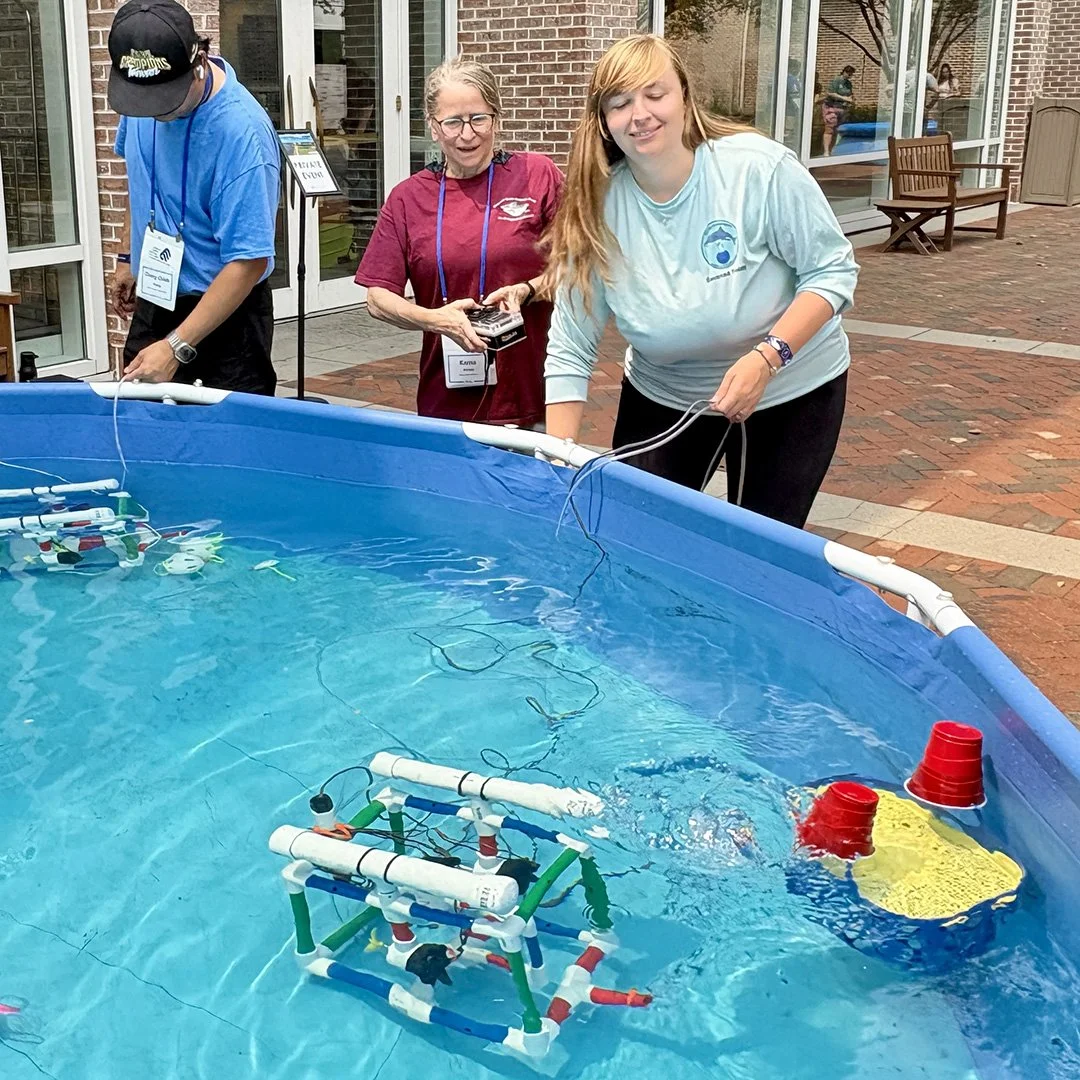
During the 2026 workshop, participants tested their piloting skills using several configurations of the MATE Angelfish “ROV in a bag” kits to try a variety of underwater challenges and discuss how the equipment and challenges could be customized for their students’ needs and interests. Image courtesy of NOAA Ocean Exploration.
The future of our ocean planet and the growing blue economy depend on a skilled, innovative workforce—a pipeline that begins in the classroom. Today’s ocean challenges call for bold, creative educators who can inspire and prepare the next generation of scientists, engineers, and marine advocates. To meet this need, NOAA Ocean Exploration partnered with the National Marine Educators Association (NMEA) and leaders in Blue Technology Education to design the Blue Technology Education Workshop. This professional development initiative aims to increase the reach and implementation of ocean exploration science and technology in classrooms across the country by connecting educators with modern marine technology tools, hands-on training, and real-world implementation strategies.
Bridging the Gap in Blue Tech Education
Blue technology education helps young students understand how science, engineering, and innovation come together to explore and protect the ocean planet. By engaging with modern exploration tools—such as underwater robots, sensor systems, and ocean drifters—students build curiosity, critical problem-solving skills, and the inspiration needed to pursue future STEM careers.
However, educators frequently face significant barriers when attempting to bring ocean engineering into their teaching environments. From budget constraints and limited technical backgrounds to feeling overwhelmed by where to start among many options, teachers often need targeted support to turn inspiration into action.
The Blue Technology Education Workshop was created specifically to eliminate these hurdles. Designed as an immersive, hands-on experience during the NMEA Annual Conference, the workshop equips educators with the technical confidence, funding resources, peer mentorship, and industry connections necessary to seamlessly integrate blue tech into any educational setting.
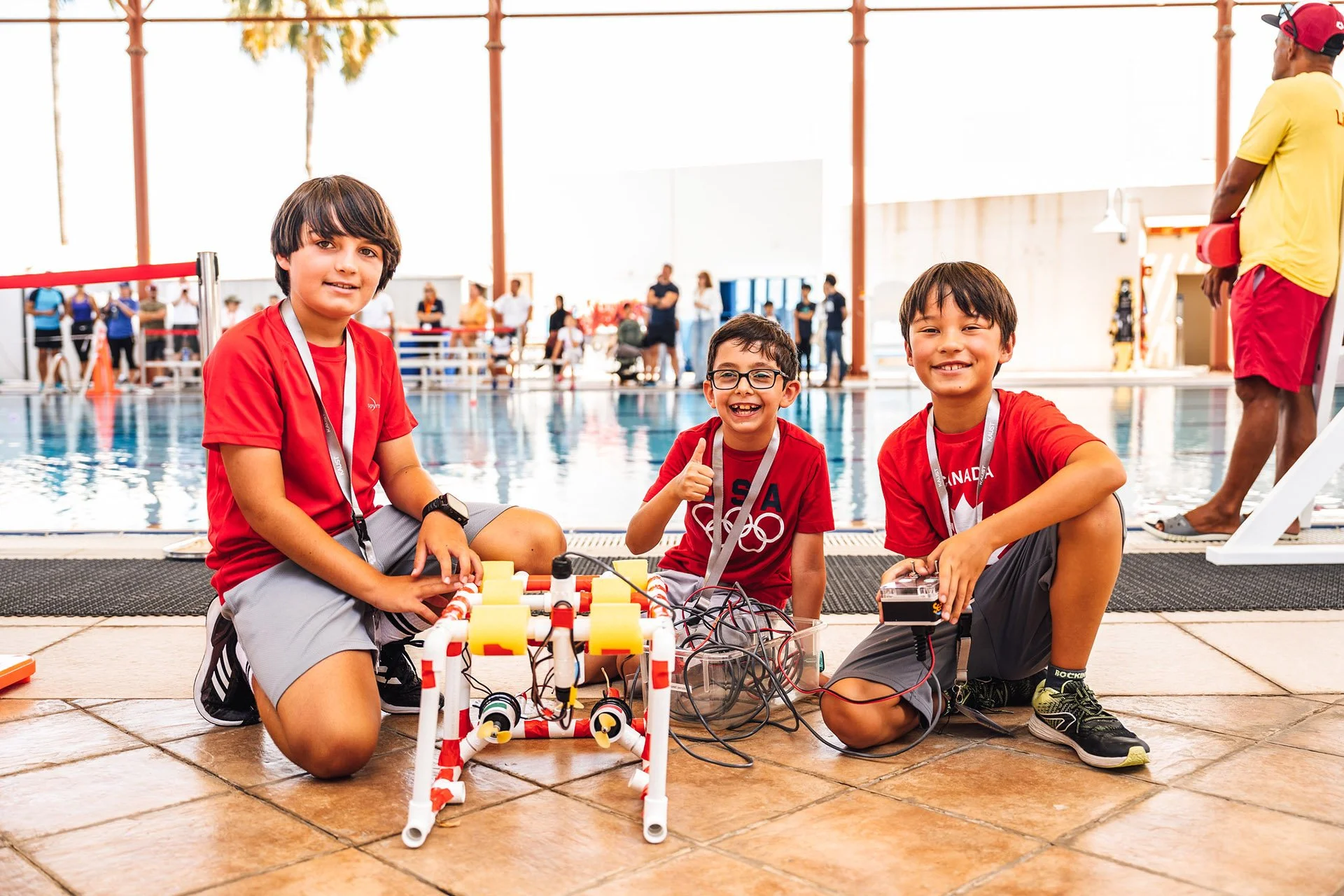
A young student team competing at the MATE ROV Competition is all smiles showing off the ROV they custom-built for this year’s competition challenge course. Photo courtesy of MATE ROV Competition.
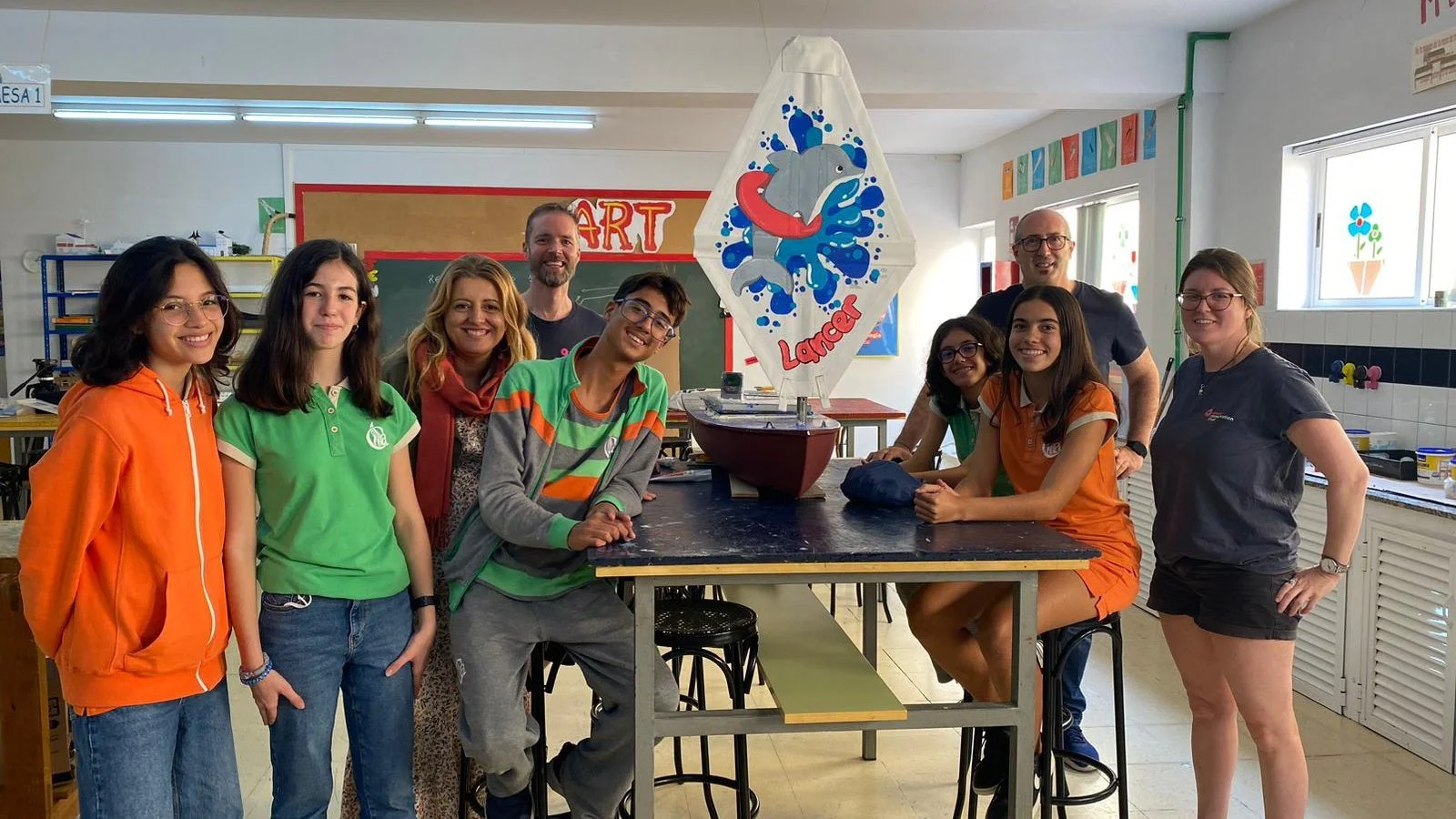
Educational Passages miniboat Lancer was first built and launched by a high school class in Connecticut, USA. This miniboat would go on to be the first to circumnavigate the Atlantic, connecting students from across the ocean throughout its journey. Photo courtesy of Educational Passages.
Get Your Hands Wet – Blue Technology in Action
A core element of the workshop is direct exposure to blue technology tools and the organizations that create them. Participants are introduced to leading education-focused marine technology organizations, each sharing their educational products, programs, and engineering competitions. In 2026, presenters included Educational Passages, Oceanography for Everyone, NOAA’s Adopt-a-Drifter Program, RoboNation, MATE ROV Competition, and Blue Robotics. Presentations covered key details like target age ranges, costs, and classroom applications, giving attendees clear pathways to consider for their own educational settings.
Following these presentations, participants get their hands "wet" during interactive demonstration sessions. Divided into small groups, attendees rotate through stations positioned along piers, outdoor pools, and data portal demonstration areas. Operating in smaller groups allows educators to directly handle and test underwater vehicles, ocean drifters, and sensor systems while asking questions and receiving guidance directly from technology experts.
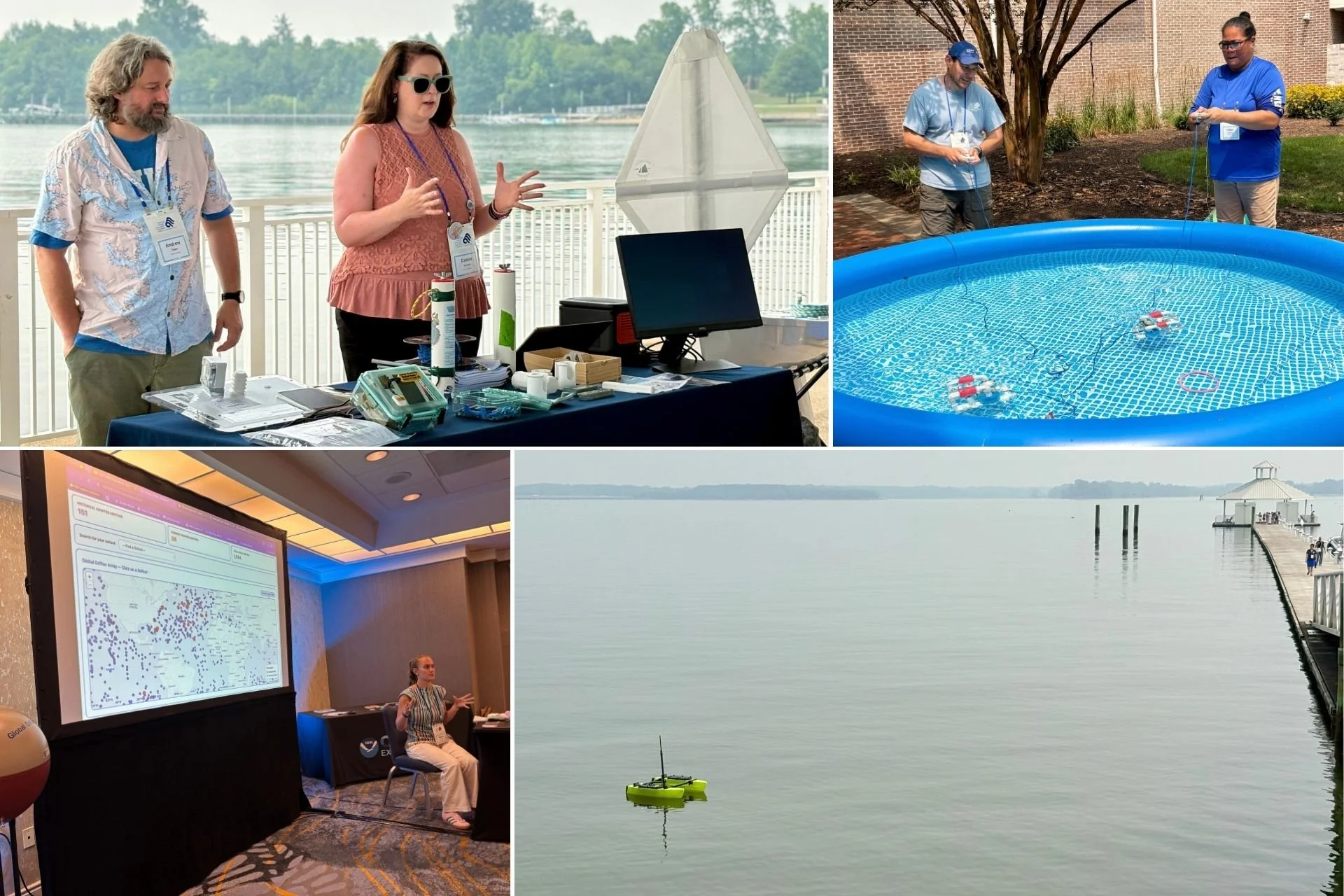
Robots, drifters, surface vessels, and data portals, oh my! It takes a countless amount of advanced technology to explore and study the worlds’ waterways. However, many of those tools are also available in models that can be used with young learners in a variety of educational settings. During the 2026 workshop, educators got first-hand experience with a variety of these education-friendly technologies including (pictured clockwise from top left) miniboats and CTD sensor kits, remotely operated vehicles, uncrewed surface vessels, and ocean drifters and data portals! Images courtesy of NOAA Ocean Exploration.
Practical Skills, Funding, and Mentorship
Beyond hardware exposure, the workshop focuses on overcoming common classroom barriers—such as budget constraints, limited technical expertise, and a lack of professional networks. To address these challenges, the program delivers a balance of hands-on skill building, funding opportunities, and peer mentorship:
Building Technical Confidence: Participants engage in a hands-on technical session such as soldering and circuit board assembly.
Unlocking Funding Pathways: A dedicated funding share-a-thon to share varied STEM and ocean education grants opportunities available to educators.
Learning from Veteran Educators: Experienced teachers share proven success stories and practical tips for bringing blue technology into learning environments.
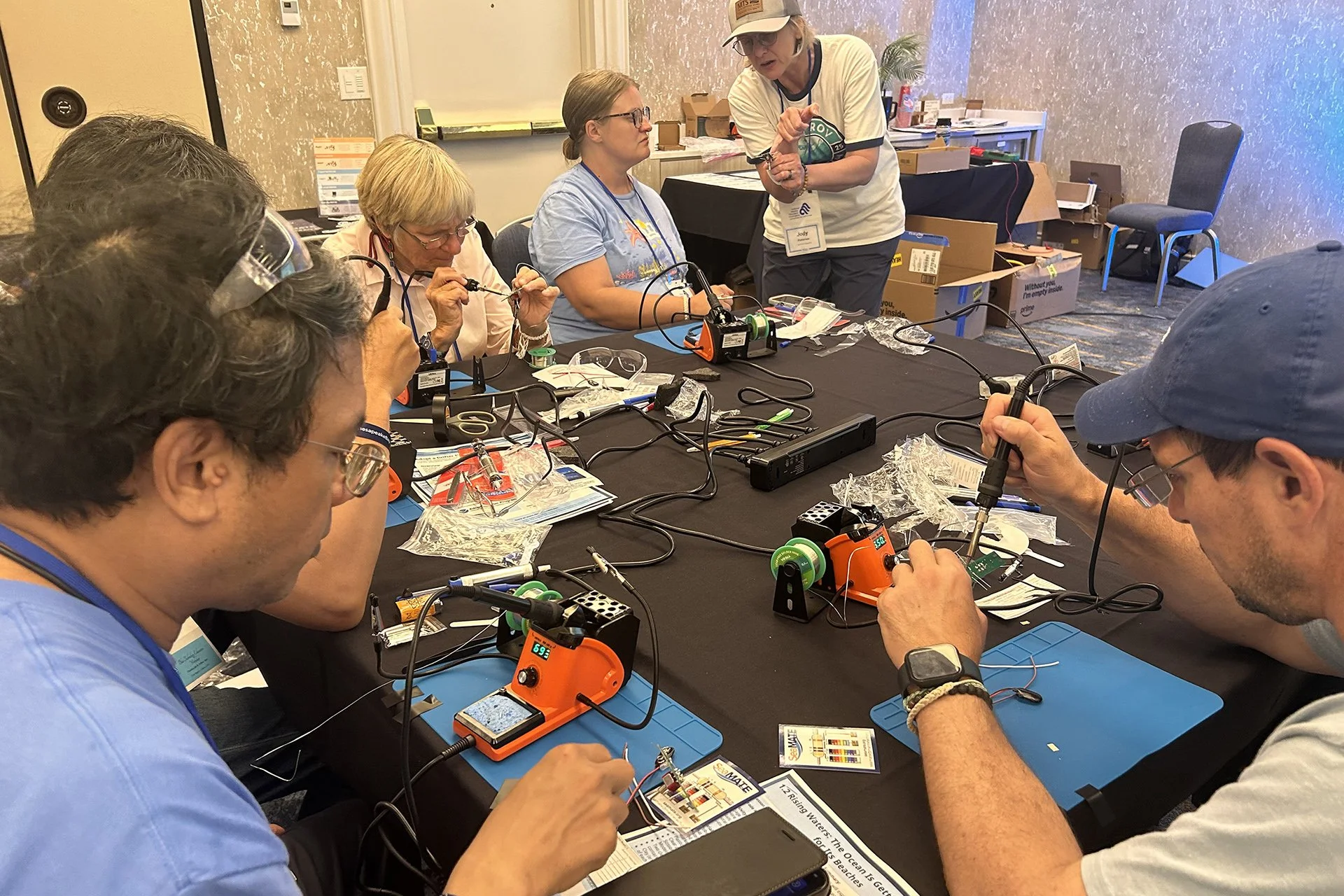
MATE Network Development Director, Jody Patterson, led a tutorial on soldering using the SeaMATE Pufferfish Practice Board kits, helping participants get comfortable with the soldering equipment and technique and addressing a commonly cited barrier to implementing blue technology in classrooms. Image courtesy of NOAA Ocean Exploration.
Supporting Blue Tech Implementation in Educational Spaces
To ensure the workshop's impact extends directly into learning environments, the programming concludes with a dedicated implementation planning session. During this time, participants receive strategy guidance and dedicated time to draft personalized implementation plans tailored to their unique educational settings. To lower financial barriers and jumpstart integration, participating educators receive $250 stipends to cover the cost of blue technology equipment, technical support supplies, or additional training.
Looking Ahead: Join Us for the 2027 Workshop!
In 2026, the inaugural session brought together 23 educators representing 17 states and 3 countries, spanning middle and high school classrooms, homeschool STEM networks, non-profit organizations, universities, and state and federal agencies.
NMEA is excited to continue to support this initiative and confirm that the Blue Technology Education Workshop will return at the 2027 NMEA Annual Conference in Honolulu, HI! While exact schedules and format details will vary based on the 2027 conference venue, the core mission remains the same: providing educators with the tools and resources needed to bring blue technology into their learning spaces and inspire the next generation of marine innovators.
Whether you are looking to introduce underwater robotics to middle schoolers, track ocean currents with high school students, or build technical confidence in your STEM programming, this workshop offers invaluable support.
Full presenter lineups, agenda details, travel scholarship opportunities, and registration links for the 2027 workshop will be announced in the coming months. Stay tuned for more details!
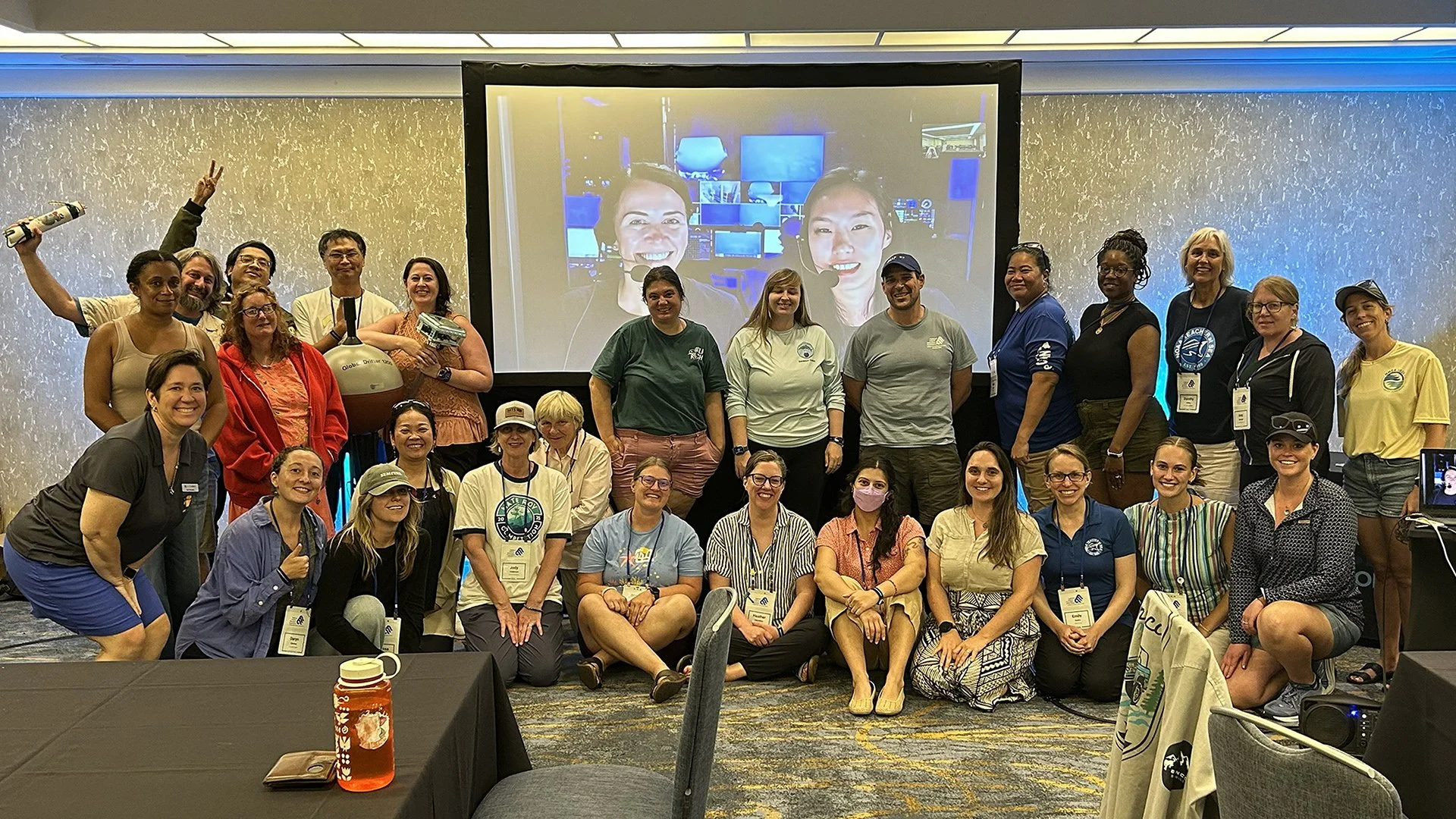
Presenters and participants from the 2026 Blue Technology Workshop participated in a Ship-to-Shore connection with Science Communication Fellows Ashley Cosme and Yeji Lee aboard E/V Nautilus. Ashley, a high school marine science educator from Indiana shared her experiences bringing ocean research and underwater robots into her classroom through NOAA’s Teacher-at-Sea program and alumni association. Image courtesy of Kelly Guarino.
The Blue Technology Education Workshop is offered in cooperation with the National Marine Sanctuary and supported by Federal Award NA24OARX011C0001-T1-01.