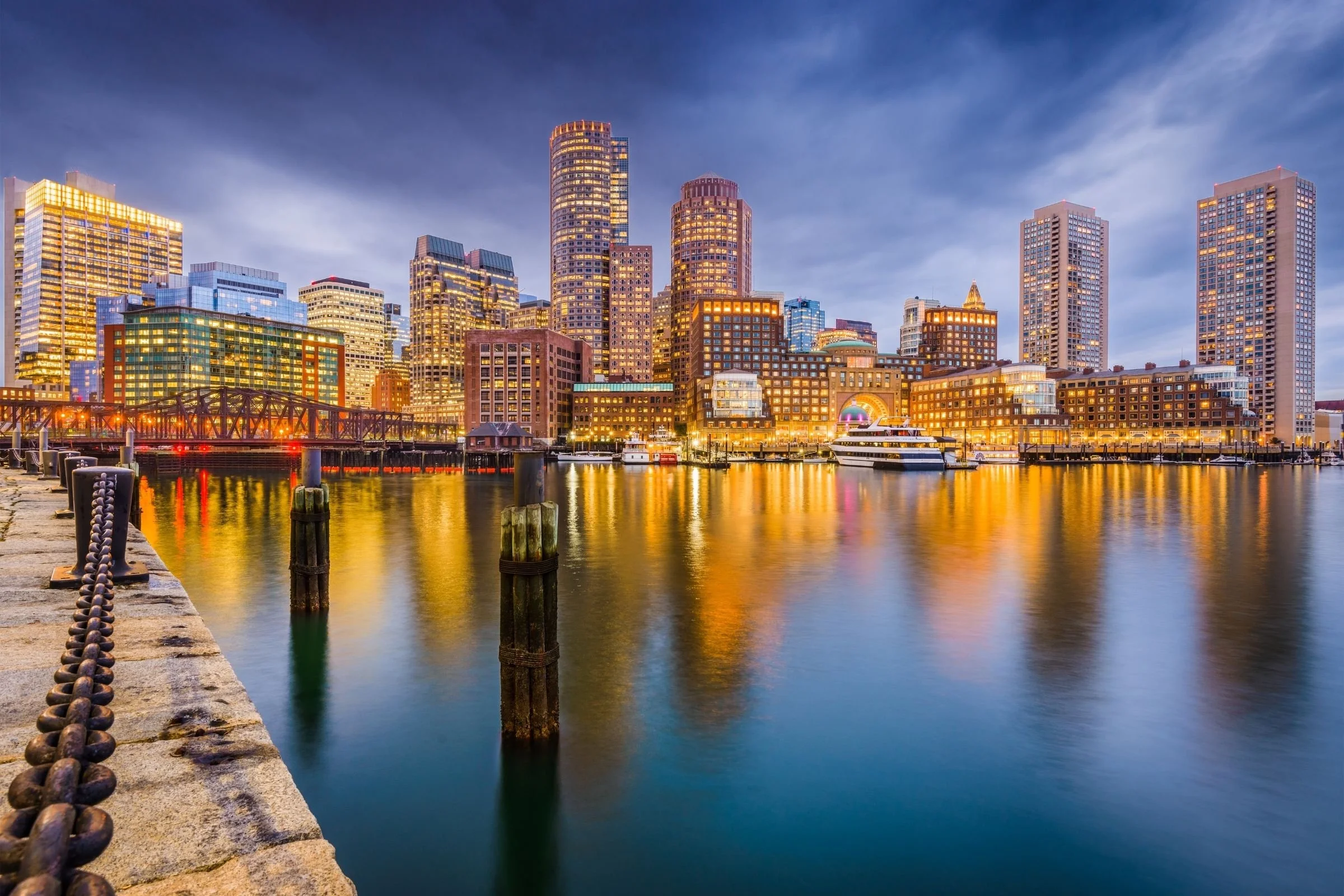
NMEA is excited to feature multiple opportunities at the 2027 National Science Teaching Association (NSTA) National Conference March 17-20, 2027 in Boston, Massachusetts!
Our Marine Education Pathway will offer a curated series of presentations designed to highlight innovative approaches in ocean and aquatic science education. The ever-popular Whale of a Share-a-Thon will showcase NMEA members and chapters sharing engaging lessons, hands-on activities, and classroom-ready resources with hundreds of educators right on the exhibit floor. And you can also find NMEA in the Exhibit Hall all week as part of the Marine Zone in the NSTA Exhibit Hall, where we’ll be connecting with participants, sharing resources, and spreading the word about NMEA and ocean literacy.
Join us at NSTA Boston27, “Charting New Horizons, Inspiring Discovery,” and connect with a community of educators united by curiosity and a shared commitment to student success. Through inspiring sessions, immersive experiences, and meaningful connections, you'll discover fresh perspectives and practical strategies to advance teaching and learning. Be sure to make NMEA part of your conference experience!
NMEA Whale of a Share-a-Thon
Make time to stop by NMEA’s Whale of a Share-a-Thon in the NSTA exhibit hall and discover a vibrant collection of hands-on activities, classroom-ready lessons, and take-home resources created by NMEA members and chapters from across the country and focused on the ocean, coasts, Great Lakes, watersheds, and other aquatic environments.
Throughout the Share-a-Thon, educators will find interactive tables featuring ocean and aquatic science ideas that are practical, engaging, and easy to bring back to classrooms, museums, aquariums, and informal learning settings. It’s a great place to explore new approaches, ask questions, and connect directly with educators who are passionate about marine and freshwater education.
Whether you’re looking for fresh lesson ideas, innovative outreach tools, or inspiration for integrating ocean literacy into your teaching, the Share-a-Thon is a must-visit destination during NSTA. Stop by, explore, and leave with ideas you can use right away!
Submissions are now open for our NMEA Whale of a Share-a-Thon:
Presenters must submit their Share-a-thon session proposals through the NSTA website using this link by December 12, 2026.
Sign in to your NSTA account or create a free NSTA user account to submit proposals.
Complete the form using the exact title, takeaways, and brief description you’d like displayed in the conference app and session browser (these cannot be changed later).
Be sure to select “NMEA” from the dropdown menu under Share-a-thon Type.
Presenters may get a discount on registration, so be sure to submit your session first before registering for the conference.
NMEA Marine Education Pathway
Join us for a specially curated Marine Education Pathway at NSTA Boston27! This focused block of programming brings together three hand-selected presentations designed to deepen your understanding of ocean and aquatic science education.
Pathways are curated tracks that help you maximize your conference experience by highlighting sessions connected to a specific theme. Whether you’re a classroom teacher, informal educator, or researcher, this pathway offers fresh ideas and practical strategies to bring marine science to life for your learners.
Are you interested in sharing an exciting and hands-on session at NSTA in Boston March 17-20 as part of our NMEA Partner Series? Please complete this interest form so the NMEA Strategic Partnerships Committee can compile three sessions to submit. We aim to submit in mid-October, so please fill out the form ASAP if you are interested. This is in addition to our Whale of a Share-a-thon! If you have questions, please email Past-President Tami Lunsford at tami.lunsford@gmail.com. Open to current NMEA members only.
Highlight Your Session!
Are you a current NMEA member presenting at NSTA Boston27? If your session features marine or aquatic science resources, we’d love to help amplify your work! Send us the details of your session, and NMEA will include it in our highlights so other attendees can find and support your presentation. You can find the NMEA session sharing form in the Forms tab in the NMEA Member Portal.