2026 NMEA Elections—Candidates
The NMEA Board is the leadership body that ensures our organization is sustainable and steers our progress in a manner that reflects our membership’s needs. The board has created new scholarship opportunities, established new committees, hired new staff, and supported the purchase of new technologies to improve members’ experiences. And this was all in the last few years!
We are excited to announce a slate of candidates that have stepped up to offer their service to the organization and we could not be more appreciative of the time and talent they are extending to our organization.
Official election ballots will be sent to all members in good standing the week of June 1st and voting will be open for 2 weeks. We encourage you to exercise your membership right to vote in the annual election. Your vote counts towards defining the leadership of NMEA, which helps to shape the future and the success of our organization. We thank you for your participation. The new board members will be announced at the NMEA 2026 Annual Business Meeting during the conference.
Many thanks,
Tara Hicks Johnson
NMEA Past-President (2025-2026)
President-elect Candidate
Jennifer Kennedy, New Hampshire
Executive Director, Blue Ocean Society for Marine Conservation
How do you currently support marine education?
Marine education is necessary for a healthy ocean. As the Executive Director of a nonprofit focused on ocean education and research, I facilitate science-based programs that connect people with the ocean and inspire them to act. With over 25 years of experience in leading whale watches, beach cleanups, and educational programs for people of all ages, I am passionate about making marine science engaging and relatable.
I have been an active member of GOMMEA since 2014, and currently serve as NMEA Chapter Rep and ExComm member. As Chair of the New England Ocean Science Educational Collaborative (NEOSEC), I have helped plan professional development opportunities for our network of educators. Collaboration and connection are essential to successful marine education programs and organizational strength. I enjoy building bridges between organizations and passionate ocean advocates to learn from one another and, in turn, teach their audiences.
What skills or assets would you bring to NMEA?
I am experienced in organization management, strategic planning, budgeting, and fundraising. I enjoy connecting people with one another and with resources that help them achieve their goals. Through my work in this space for 25+ years, I am connected to a variety of marine education organizations, networks, and initiatives aligned with NMEA’s mission, and have met many NMEA members over the years at conferences and through the board and ExComm. I am excited to bring practical experience and a teamwork mindset to support NMEA’s continued growth and impact.
I look forward to deepening my connection to NMEA as President-Elect and helping the organization grow and thrive.
BOARD OF DIRECTORS CANDIDATES
There are four director positions up for election in 2026.
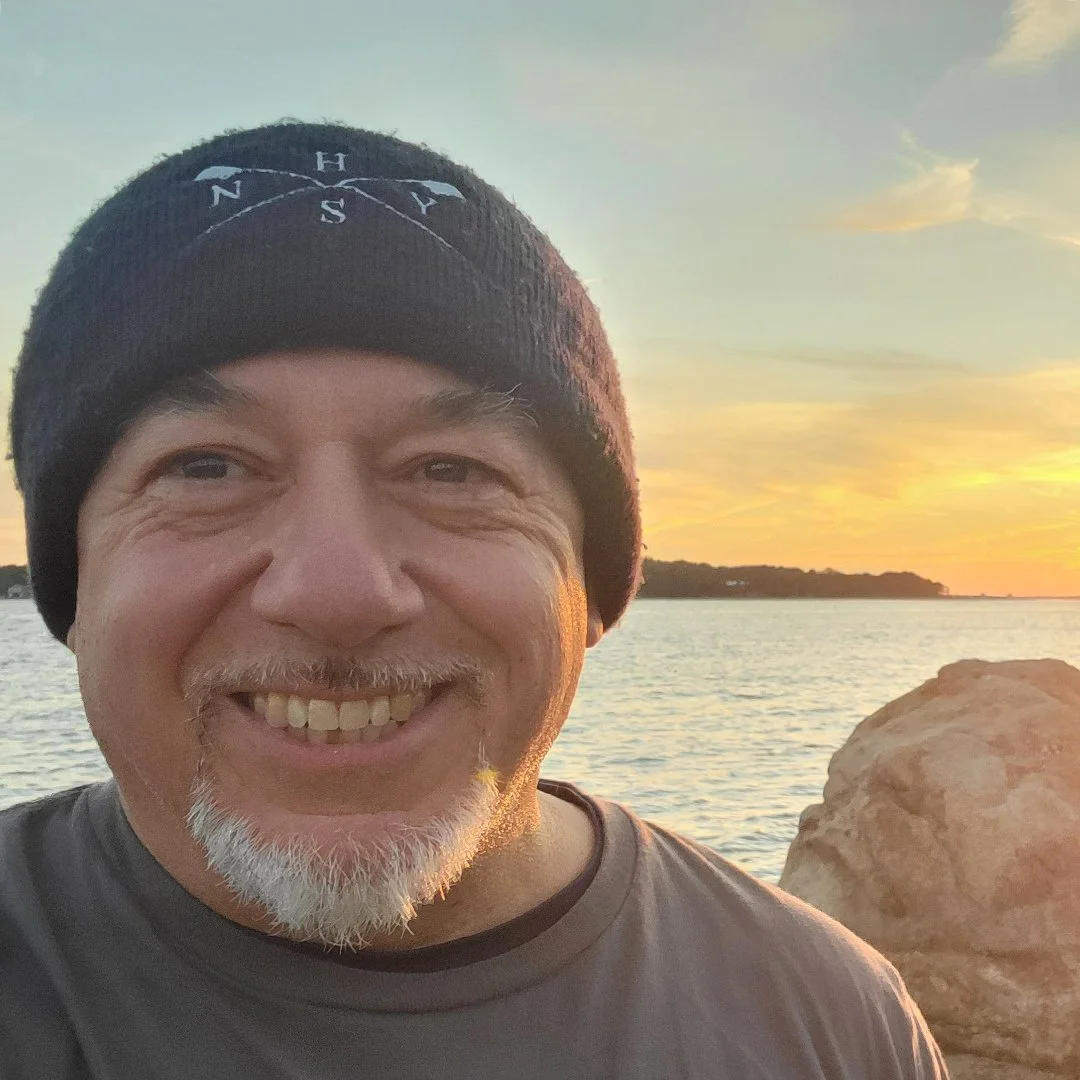
Roy Arezzo, New York
Visiting Assistant Professor, Pratt Institute
How do you currently support marine education?
I support marine education through teaching, curriculum development, community science, and professional service. I teach Environmental Science and am creating a new Marine Science course for art and design students at Pratt Institute.
I was a member of the original planning committee and founding science teacher at the Urban Assembly New York Harbor School, a new public school model focused on marine science, technology, and maritime careers, where I worked for 20 years, developing curriculum, coaching rowing, and running the Aquaculture program. I continue to serve on the Professional Advisory Committee for the Aquaculture and Marine Affairs Career and Technical Education programs.
Through a NOAA Teacher at Sea Alumni Association Fellowship, I developed outreach materials and professional development focused on aquaculture and citizen science and continue to volunteer with The Hudson River Eel Project, contributing to research on eel migration.
Over 35 years in education, I have partnered with organizations to connect students to local waterways and ecosystems through marine science and greening projects that integrate stormwater management and green infrastructure. I am an active member of several environmental non-profits, currently serving on the NMEA Student Engagement Committee and look forward to continuing to support its mission.
What skills or assets would you bring to NMEA?
I am organized, proactive, and committed to advancing ocean literacy. I have experience engaging youth and adults through community science, public outreach, and professional development. As a longtime New York City public school educator and current college instructor, I have worked with diverse audiences, from middle school students to educators and families. My marine education experience spans SCUBA diving, tall-ship sailing, oyster restoration, professional development at sea on research vessels, shoreline cleanups, and fieldwork—giving me a broad perspective on the many ways people connect with the marine environment, from tributaries that lead to the sea to below the ocean’s surface.
In addition to teaching, I enjoy getting the public on the water, students into the field exploring marine, estuarine, aquatic ecosystems.

Sandra Bilbo, Mississippi
Director of Arts and Environmental Education, Walter Anderson Museum of Art
How do you currently support marine education?
I am an active member of the Southern Association of Marine Educators (SAME), the regional chapter that covers Louisiana, Mississippi, Alabama, and panhandle Florida. Through SAME, marine education is supported through scholarships for our members to attend NMEA conferences; sponsorships are provided to support efforts like ocean sciences bowl and ROV competitions; and professional development for our members are supported through our meetings and newsletters. On the national level, I served as the SAME Chapter Rep as well as on the Board of Directors for the last handful of years. In the past, I've been involved with the Education Research and Evaluation committee, and I currently chair the Technology Committee within the Communications Pod and most recently co-chaired the NMEA 2025 conference. In my current role at the Walter Anderson Museum of Art, my goal is to inspire folks to connect with nature through art and environmental education programming.
What skills or assets would you bring to NMEA?
When I joined SAME’s President chain in 2019, my goal was to increase our membership and help SAME become an organization that is visible, involved, and relevant. I hope to bring that momentum to NMEA and support the organization’s missions to my best ability and capacity. I bring perspectives of US Gulf Coast citizens and gulf-specific marine issues; of being a daughter of first generation immigrants; of having worked in non profits and state government capacities; and of course aspects of marine education, marine science, program evaluation, and events planning.
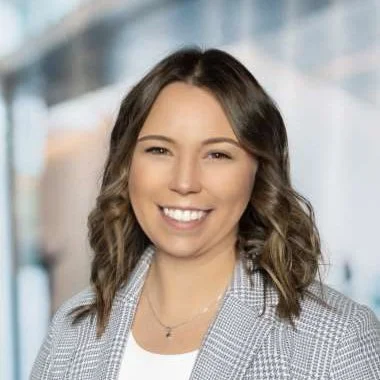
Molly Dushay, Connecticut
Executive Director, North American Marine Environment Protection Association (NAMEPA)
How do you currently support marine education?
As Executive Director of NAMEPA, I work to connect the maritime industry, environmental awareness, and education through programs that engage students, educators, and maritime professionals. I help lead initiatives, including maritime workforce development programs, career awareness activities, classroom resources, and partnerships that introduce students to maritime and marine science pathways. Through NAMEPA, I support collaborations with ports, shipping companies, educators, nonprofits, and government partners to expand access to maritime education opportunities across North America.
In addition to my nonprofit leadership, I am also a science educator with a Master of Arts in Teaching and currently teach AP Biology and Marine & Environmental Science. My classroom experience allows me to bring a practical understanding of curriculum development, student engagement, inquiry-based learning, and STEM education. I am especially passionate about helping students connect real-world marine and maritime issues to science education and future careers.
I strongly believe marine education should be collaborative, accessible, and connected to both environmental literacy and workforce readiness.
What skills or assets would you bring to NMEA?
I would bring a combination of classroom teaching experience, nonprofit leadership, and strategic partnership development to NMEA. My background includes grant writing, program development, educational outreach, event leadership, and building collaborations across industry, education, and nonprofit sectors. Through my work at NAMEPA and as an AP Biology teacher, I understand both the educator perspective and the importance of expanding access to high-quality marine education opportunities. I am passionate about helping organizations expand their reach, strengthen partnerships, secure funding, and connect marine education to real-world STEM and workforce pathways.
Dedicated to connecting marine education, STEM, and maritime workforce pathways through collaboration, innovation, and meaningful educational partnerships.
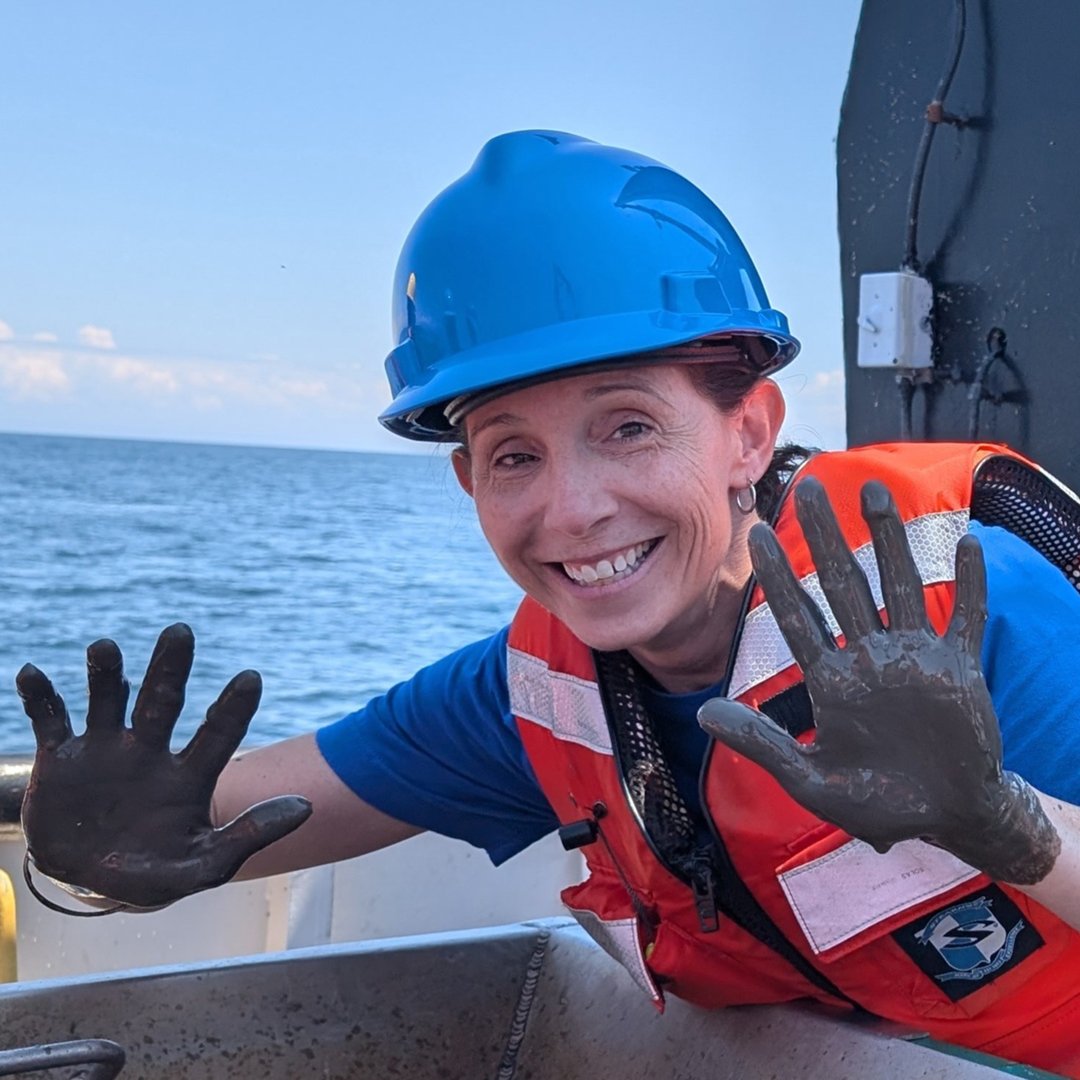
Lyndsey Manzo, Ohio
K-12 Science & Engineering Curriculum Specialist, Westerville City Schools
How do you currently support marine education?
I currently support marine and aquatic education by bridging the gap between the formal K–12 classroom and nonformal science education. As a Science and Engineering Curriculum Specialist, I develop professional learning around implementing impactful student learning experiences. I began collaborating with NOAA Ocean Exploration on a variety of curriculum, professional learning and website development initiatives in 2018, and have been facilitating their educator workshops since 2024. From 2008-2024, I was also an Education Specialist for Ohio Sea Grant. I led (and continue to support) many of the efforts related to Great Lakes, ocean and environmental literacy; conducted place-based aquatic education workshops at OSU’s Stone Laboratory and aboard the US EPA’s R/V Lake Guardian; was part of the team that designed and trained teachers to use the Watershed Game; and held leadership roles in COSEE Great Lakes, the Center for Great Lakes Literacy, and the Sea Grant Education Network. My work both inside and beyond the classroom is really just the pursuit of one passion - building educators’ confidence to teach about the ocean and Great Lakes and helping them to create opportunities for their learners to become lifelong ocean and Great Lakes stewards.
What skills or assets would you bring to NMEA?
Working at the intersection of formal and nonformal education for 26 years, I have a unique combination of leadership and science education and outreach expertise. My background as a science teacher, curriculum specialist, and a long-time Sea Grant educator provides me with a comprehensive understanding of (1) science standards and pedagogy, (2) developing high-quality curriculum and professional learning, (3) strategic visioning, and (4) program evaluation. I have represented our freshwater coast in multiple professional aquatic science and education networks, and bring the perspective of an inland educator fostering ocean and Great Lakes literacy for learners of all ages.
We will conserve only what we love, love only what we know, and know only what we are taught.
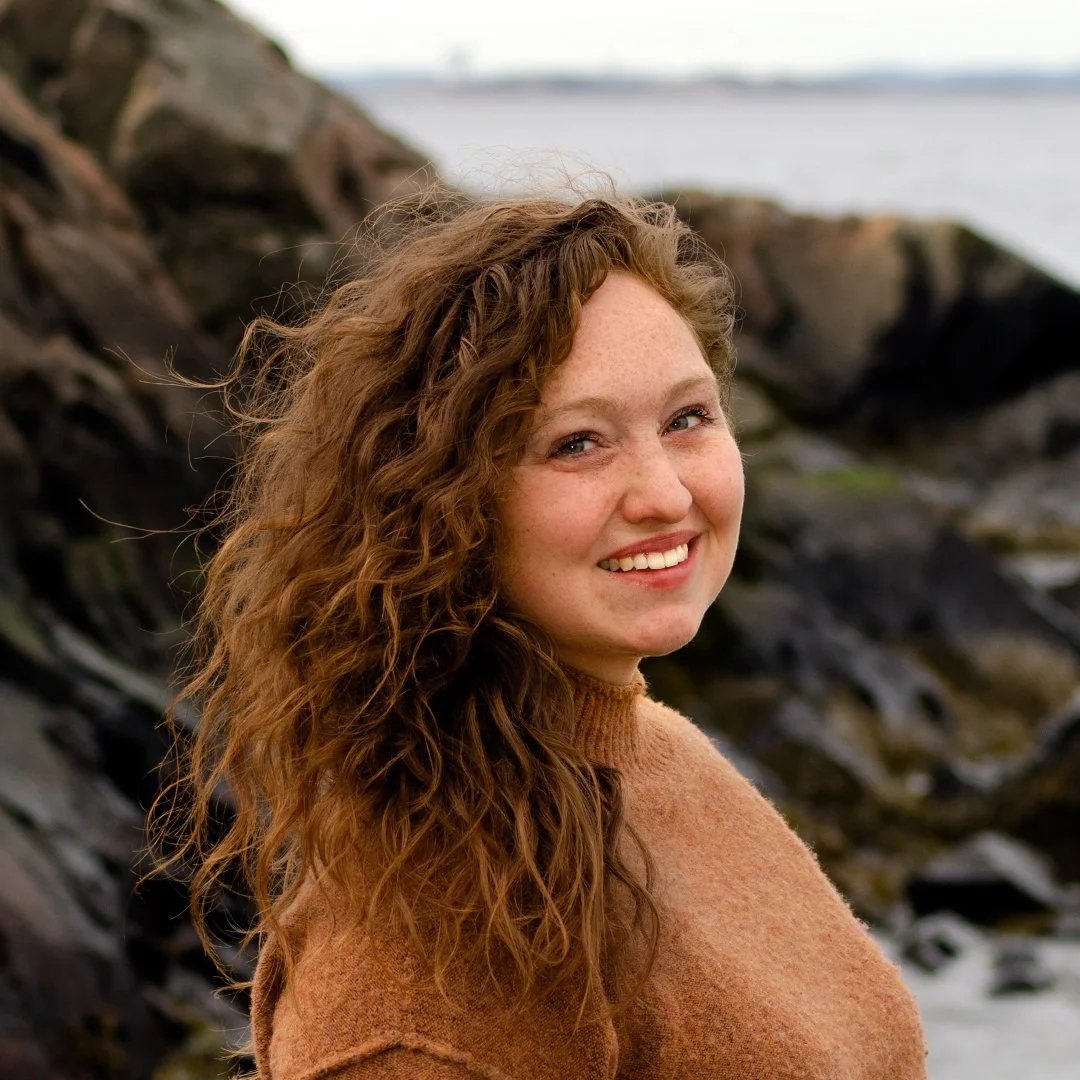
Sierra Munoz, Massachusetts
Outreach Program Coordinator, Northeastern University Marine Science Center
How do you currently support marine education?
As Outreach Program Coordinator at Northeastern University's Marine Science Center, marine education is at the core of my daily work. I direct programs that deliver coastal ecology to thousands of students, educators, and community members each year, through K-12 field trips, public events, digital media, and partnerships with educator networks, regional school districts, the Museum of Science, and community partners. These efforts support our 50+ researchers and student scientists in translating their marine biology, biogeochemistry, ecology, and evolutionary genomics work to broader audiences, and with valuable science communication and mentoring experience.
Our School to Sea program has connected thousands of Lynn Public Schools high schoolers to hands-on coastal science experiences and received the Massachusetts Secretary's Award for Excellence in Energy and Environmental Education. Beyond youth programs, I develop and distribute free educator resources, including rocky intertidal habitat posters and curriculum materials tied to real MSC research data. I coordinate a Boston High School Marine Science Symposium each year for 300+ students and high school students, manage scholarship funds for our school and summer programming to help build equitable access to outdoor education experiences, and serve on the board of the Massachusetts Marine Educators (MME)
What skills or assets would you bring to NMEA?
I bring experience designing and running field-based K–12 programs, curriculum development, educator resource creation, and program fundraising. I routinely mentor undergraduates and graduate students in informal science education and translating research for public audiences. My background is in geoscience and terrestrial environmental education; I spent my early career in prairies, woodlands, and freshwater systems before transitioning into the marine space, learning coastal habitats from the ground up. That journey sharpens my perspective on how to connect people with unfamiliar spaces or subjects, and how to leverage that connection to build a lasting love of inquiry, discovery, and environmental stewardship.

Joanna Philippoff, Hawaii
Faculty, University of Hawai‘i at Mānoa
How do you currently support marine education?
I am the chair of Oceania, the Hawai‘i-based chapter of NMEA. I have served on the NMEA Board of Directors for the past three years and used to chair the Educational Research & Evaluation Committee. I stepped down to focus my efforts on co-hosting of NMEA 2027 conference in Honolulu. I am also one of the facilitators of the regional USA Blue Schools hub—the Hawai‘i Blue Schools Hui. I continue to serve because I've made lifelong friends and awesome connections thanks to NMEA.
I am a faculty member at University of Hawai‘i at Mānoa. I teach courses in the Marine Biology program and am the director of the Marine Option Program. I have devoted my career to marine science education, leveraging my background in marine science research and passion for the ocean as well as my geographic location—Hawai‘i is literally in the middle of the Pacific ocean basin. However, even in Hawai‘i understanding of, and access to, the ocean is often an equity issue. I have focused my efforts on increasing access to and engagement with the ocean by developing marine science curriculum and courses K–20, facilitating aquatic-focused teacher professional development, and developing participatory science programs centered on the intertidal.
What skills or assets would you bring to NMEA?
I bring a variety of skills and abilities to NMEA including experience in program management (e.g., funds and personnel associated with grants and contracts), knowledge and experience with pre-service educators in teacher prep programs, extensive teacher professional development facilitation, grant writing and proposal review, and, perhaps most notably, research and evaluation skills. My research has focused on the impact of participation of novices (students and teachers of all ages) in authentic marine science research (e.g., participatory science) and the long-term effects of teacher professional development. I’ve also served as an external evaluator or evaluation consultant on a variety of aquatic-focused projects.
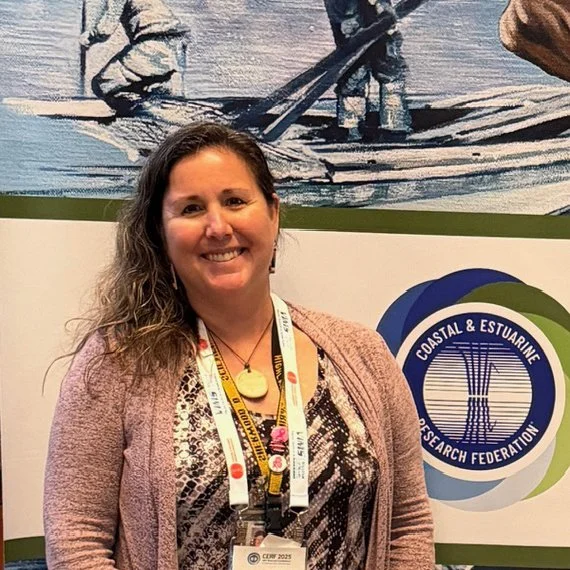
Dawn Sherwood, Virginia
Science Teacher, Highland Springs High School
How do you currently support marine education?
I teach AP Environmental Science and constantly tell students and adults that marine education and environmental education are synonymous because 70% of the planet is ocean which directly affects our terrestrial environment. When my county began offering Oceanography 10+ years ago, I created the initial curriculum - and continue to use parts of it currently. This past summer I attended Stars to Seas at Vermillion Sea Institute in Mexico to learn about, swim with, and help collect data on whale sharks - I have talked about this with my classes so they could learn more about marine environment and see that you never get too old to learn something new or participate in citizen science activities. This fall, I was able to take 20 of my high students to CERF to spend the day at a marine science conference watching presentations and networking.
I have also presented at conferences at the state, regional, and national level and incorporate marine science into the Population Education presentation. At the state science conferences, I have passed out MAMEA/NMEA information and regularly encourage other educators to attend our regional and national conferences. I am also the current NMEA rep for MAMEA.
What skills or assets would you bring to NMEA?
I am a teacher who is always looking for opportunities to encourage my fellow educators to participate in marine/environmental education. I am the NMEA rep for our region and during the strategic planning, regularly advocated for ways to encourage more teachers to join NMEA. I have also helped previously on Scholarship committee and coordinated MAMEA state reps getting aquatic focus points for the Conservation committee.
NMEA 2026 will be the second national conference I have been a committee chair with and help to get the word out to local teachers.
My happy place is 60' underwater and then sharing my memories with friends and family who live vicariously through me.